
Hospitals · ATAS O2
Traceable oxygen therapy, from the bed to the bill
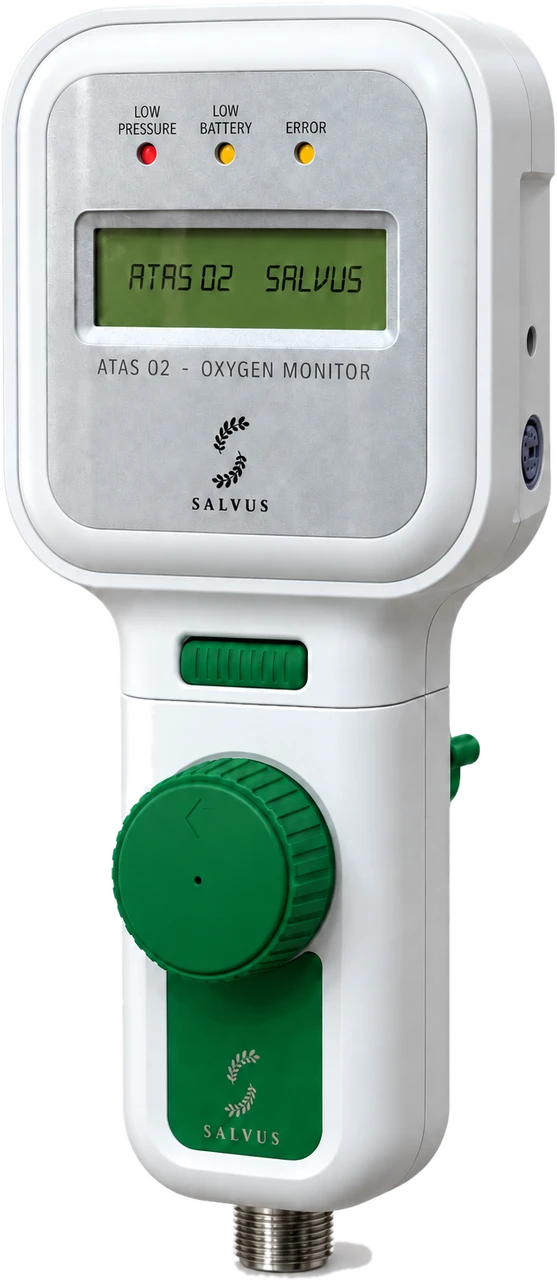
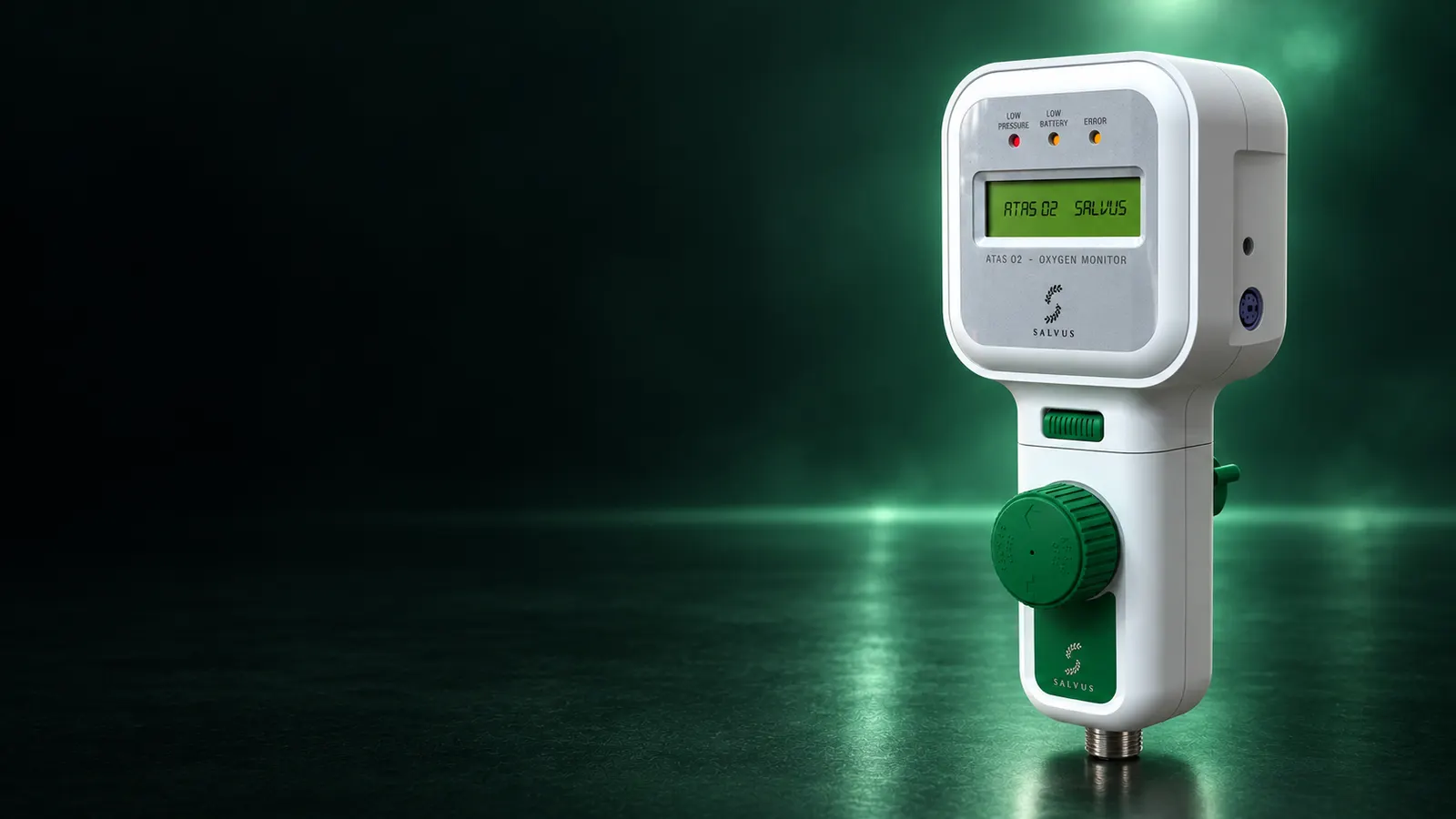
The ATAS O2 digital flowmeter records the start, end, flow and duration of each oxygen therapy at the point of use, shows the dashboard to teams, flags what needs attention and delivers reports for billing and maintenance. It can integrate information with the medical record and the patient bill, depending on each hospital's integration.
A 30-minute conversation about your process, with a demo on fictitious data. No commitment.

- Bed consuming O₂ with no care
- Patient within the target saturation range
- Total consumption time592 h
- Total hospital stay hours767 h
Examples with fictitious data.
The problem
Oxygen is used at the bed, but it does not always reach the bill the same way
The start, adjustment and end of therapy still depend on notes made afterwards and on systems that do not talk to each other.
- Billing and auditing. What was prescribed, consumed and billed rarely match. The difference can become a loss or a claim denial.
- Care. Who started, adjusted and ended the therapy, and when? Today it depends on notes made afterwards.
- Supply chain. Purchases and deliveries are checked without a record of consumption at the point of use.
- Management. The team spends time taking notes and checking, and the audit corrects after the fact.
The effect at each hospital depends on the contract and on the validation done with the hospital.
How it works
The flowmeter records at the bed, the dashboard alerts the teams
ATAS O2 is not just a piece of equipment. It combines a device at the point of use, software, connectivity, integration, implementation, training, maintenance and follow-up.
From the record at the bed to each team's action
The same record follows two paths: care and operations. The system gives each team the alert and the report for its path. Alerts and reports follow each hospital's configuration and integrations. The clinical decision always belongs to the professional.
- Alert to the teamPossible need for oxygen therapy
- Check of the prescription and the target saturation range
- Keeping the target range and updating the medical record
- Alert to the teamPossible start of weaning
- ReportDischarge and report for billing and clinical audit
The device
Get to know the equipment
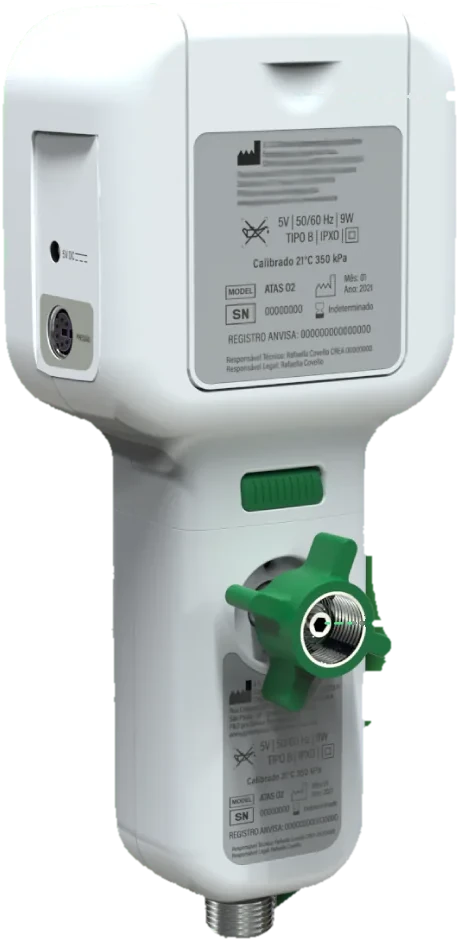
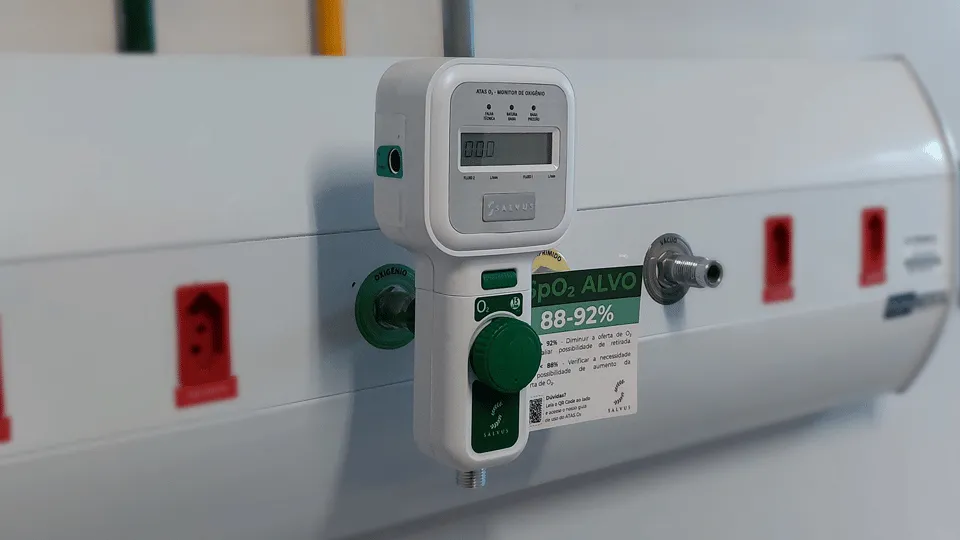
Front and back of ATAS O2, with the six points the team sees and uses.
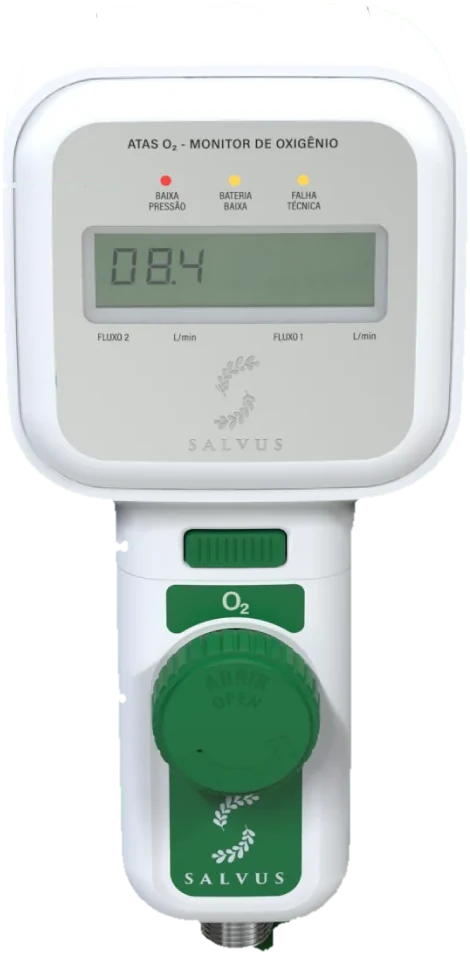
Front
- LED display (alarms). Shows the flow and signals low pressure, low battery and technical failure.
- Modular latch button. Attaches and releases the device module.
- Oxygen flow control wheel. Flow adjustment made by the professional.
Back
- Battery. Powers the device. The display warns when the charge is low.
- Air inlet. Inlet connection, on the back of the device.
- Air outlet. Outlet connection, at the base of the device.
Neonatal and pediatrics
The same record, also for children's units
The ATAS O2 line has a neonatal version of the flowmeter. It joins the same record and the same dashboard as the other beds.
- Neonatal version. The device version that applies to each unit is defined with the hospital, before validation.
- Same bed record. Flow and usage time are recorded per bed, as in the other units.
- Dashboard by unit. The team follows the unit on the dashboard, according to each hospital's configuration.
- The clinical decision belongs to the professional. ATAS O2 records and shows; the course of care, including the flow range and the target saturation, belongs to the care team.
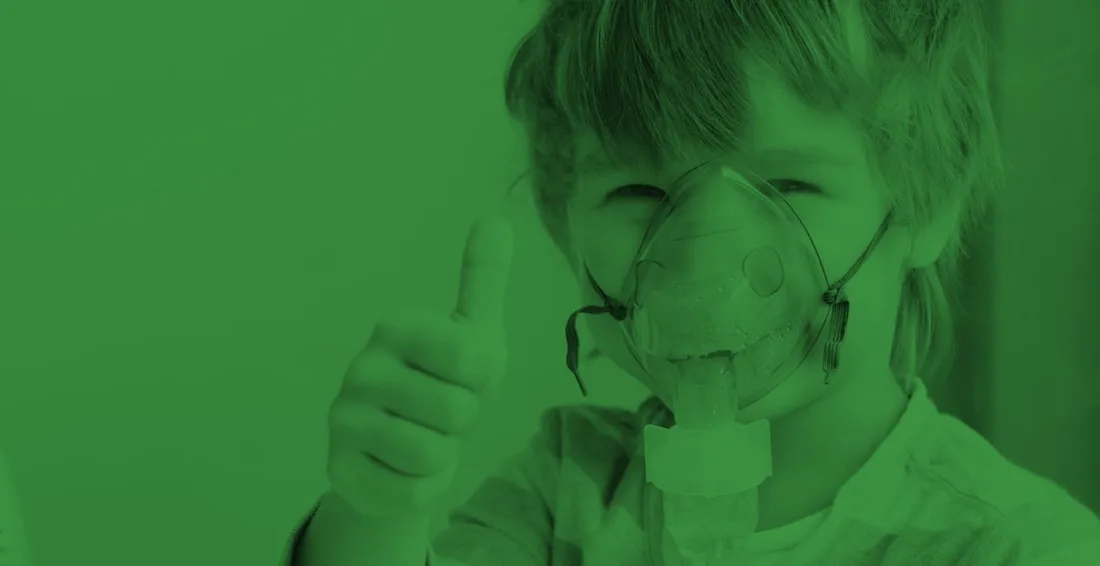
The neonatal flowmeter's range and resolution follow the product's current data sheet. Illustrative photo.
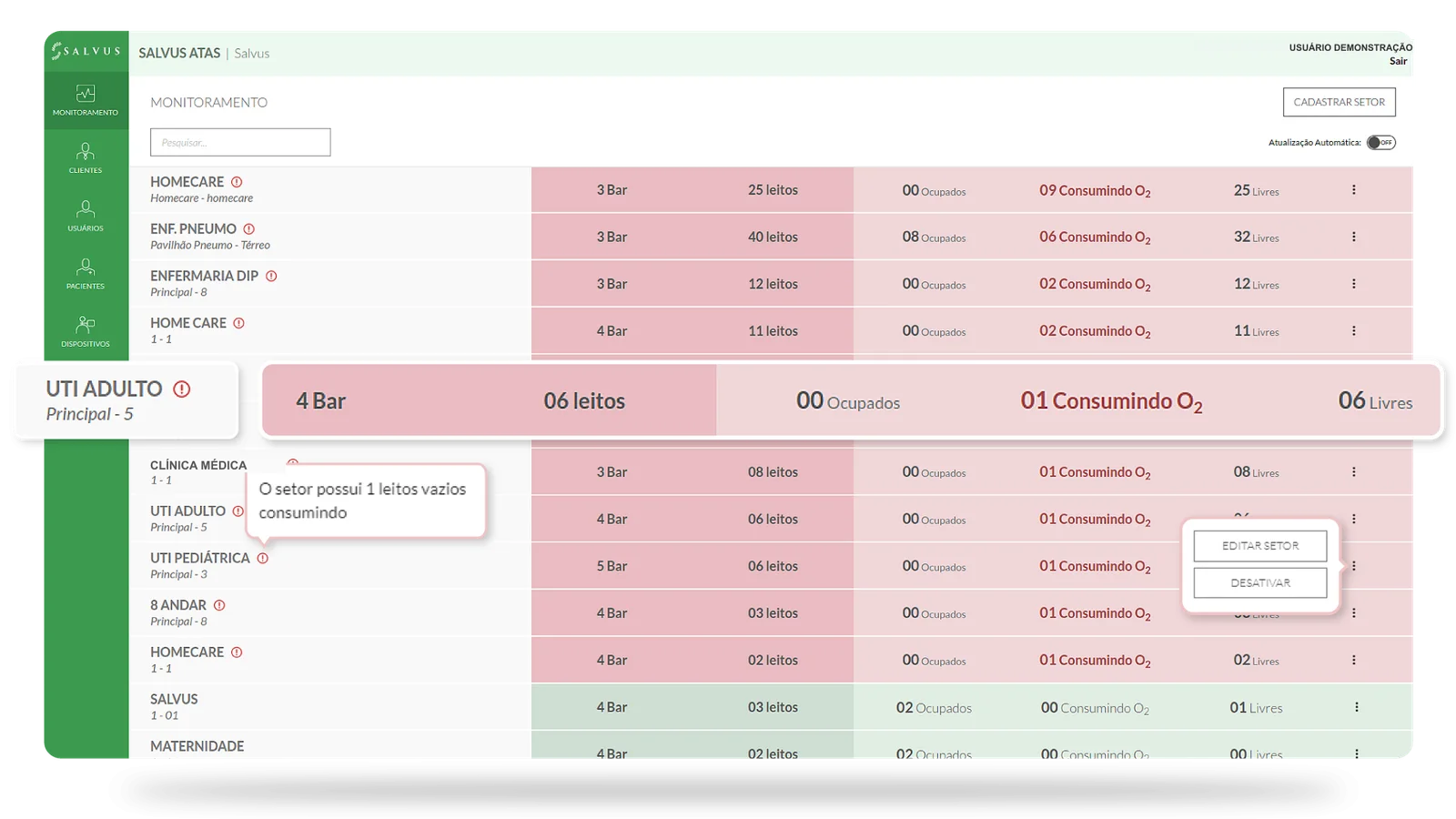
The dashboard shows, by unit, where an empty bed is consuming oxygen. Demo with fictitious data.
What changes by area
Each area gets what it needs from the same record
Care, clinical engineering, IT, billing, supply chain and leadership start from the same record, each with its own question, and get from it what fits its work. Open the one for your area.
Care, nursing and physical therapy
Questions we ask: How is therapy prescribed, started, adjusted and ended? Who records each event, and in which system?
What changes: The device records start, end, flow, duration and consumption at the point of use, depending on the version and the integration, without relying on notes made later. The team spends less time on notes, checks and corrections.
Clinical engineering
Questions we ask: Which equipment, regulators, beds and gas network are involved? How do maintenance, calibration, replacement and contingency work today?
What changes: We survey the equipment and the network before installation. Maintenance, replacement and contingency are defined at implementation, not afterwards.
Information technology
Questions we ask: Which medical record or system receives the data? Which events, identifiers and responsibilities must be integrated?
What changes: ATAS O2 can integrate with the medical record and the patient bill, after a survey and validation at each hospital. Events, environments and responsibilities are agreed before any estimate.
Billing and auditing
Questions we ask: How are prescription, consumption and billing entries reconciled? Where are the losses, claim denials, rework and delays?
What changes: The system puts what was prescribed, consumed and billed side by side, depending on the hospital's integration. The effect on billing depends on the contract, the integration and the hospital's validation.
Supply chain
Questions we ask: How is oxygen consumption checked against purchases and deliveries?
What changes: Consumption recorded at the point of use arrives ready to be checked against purchases and deliveries. The comparison method is defined with the hospital.
Executive leadership
Questions we ask: What baseline exists, and who validates the numbers? What result would justify expanding after validation?
What changes: We start from the hospital's baseline. Exit and expansion criteria are agreed before validation.
Payment model
The conversation changes with the hospital's contract
We confirm with each institution how oxygen is paid for. This guides the questions, the reports and the indicators.
Package
The focus is cost, waste, effort and care capacity. We look at purchases, consumption, deliveries, events and adjustment time.
Global per diem
The focus is cost and productivity, with correct recording in the hospital routine. We look at consumption per patient, events, length of stay and time to bill. We do not assume recovered revenue when the contract does not pay for the item separately.
Open account
The focus is automating recording and billing and reducing losses. We look at what was prescribed, consumed and billed, discrepancies and claim denials. Billing depends on the contract rules, the integration and the hospital's validation.
Integration
Integration in plain language
The bed record can flow to the medical record and the patient bill, after a survey and validation at each hospital.
Each system has its own events, data and responsibilities. An integration done at one hospital is not a guarantee of compatibility at another. That is why we survey the environment, agree on the data and validate together with the hospital's IT.
- Survey of the environment and systems
- Definition of events and identifiers
- Validation at the hospital
- Agreed responsibilities and contingency
Already integrated with hospital systems such as Tasy and MV, depending on each hospital's validation and scope. The brands mentioned belong to their manufacturers.
The device's bed record flows to the medical record and the patient bill, depending on each hospital's integration.
At the hospital
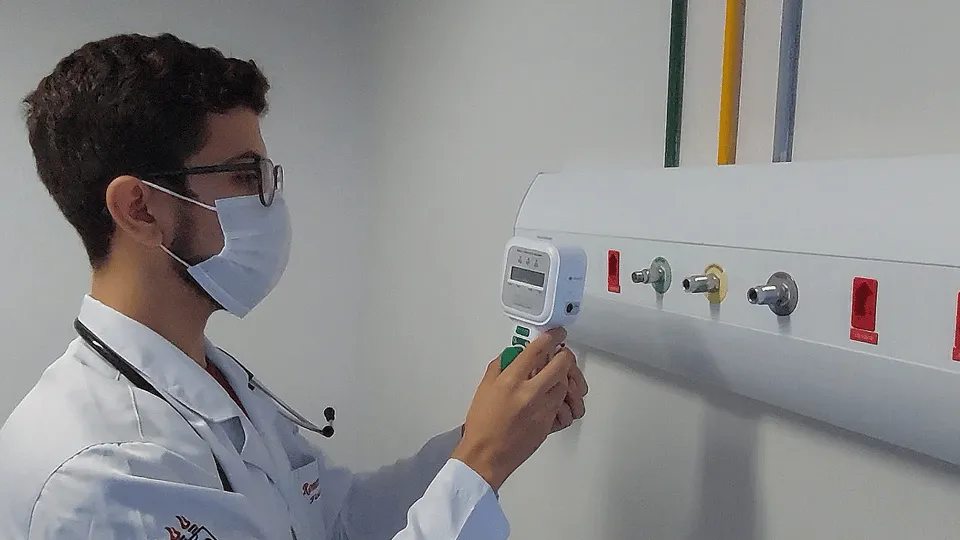
Installed on the medical gas panel, beside the bed
From installation to dashboard, in four moments.
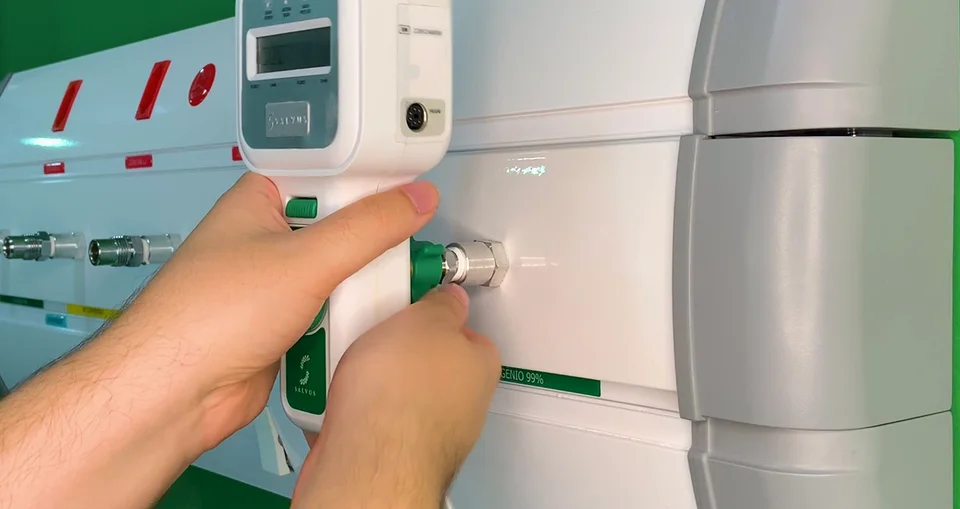
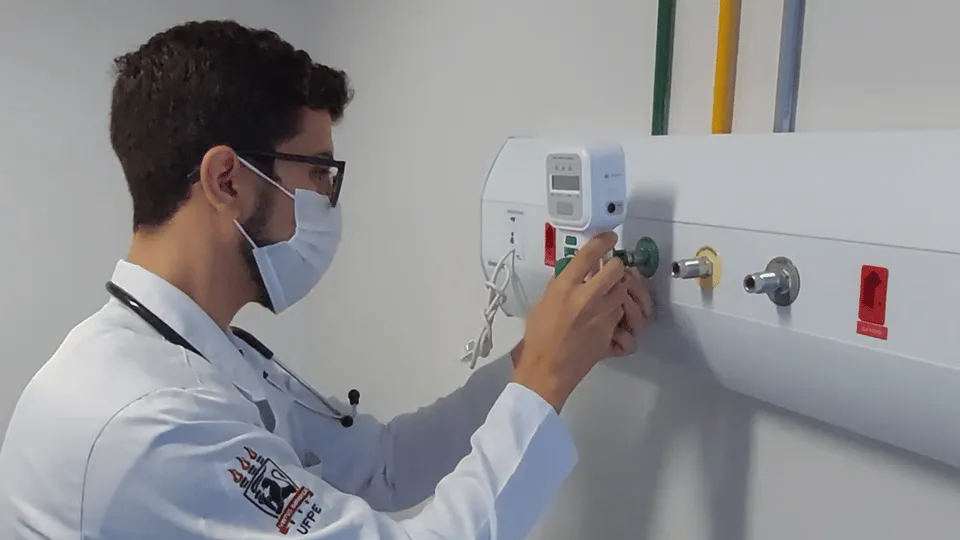
Snapped onto the panel
The device snaps directly onto the wall oxygen outlet.
Flow adjustment
The professional sets the therapy flow with the wheel.
Recording at the bed
With the device installed, recording happens at the point of use.
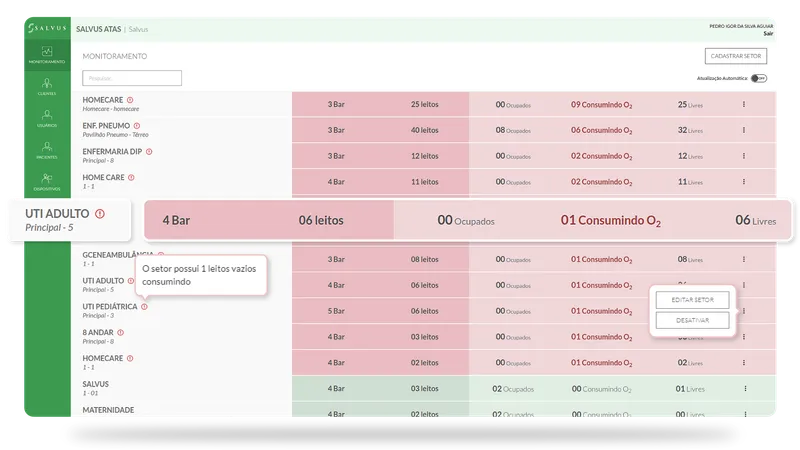
Team dashboard
Teams follow units and beds on a dashboard. Illustrative image.
The screen in the fourth moment is a demo with fictitious data.
How we validate together
It starts with a contract, a scope and an exit criterion
Before any validation, we agree with the hospital on what will be measured and how.
Scope and units
Which units take part and which device version applies.
Baseline
What exists today, who validates the numbers and which criterion ends the validation.
Integration and infrastructure
Connectivity, systems involved, responsibilities and the hospital's schedule.
Signed agreement
Scope and conditions are put in writing before any equipment is shipped.
Where we come from. Salvus was founded in Recife in 2016, starting from oxygen therapy. Oxygen monitoring was the first internet of things pilot project approved by BNDES, with CESAR and EMBRAPII. Read on Teletime (in Portuguese) (opens in a new tab) Learn about our story
Published study · Hospital Israelita Albert Einstein
Oxygen hours per bed
ATAS O2: 566.9 hATAS O2
Electronic medical record: 163.6 h
About 3.5 times more hours recorded
Oxygen therapy cycles per bed
ATAS O2: 138ATAS O2
Electronic medical record: 12
More than 11 times more cycles recorded
Comparison made across 21 beds of a semi-intensive coronary unit, over five months. The study measures how much of the oxygen therapy manual recording fails to capture.
Source: Monnaka VU et al. Discrepancies in oxygen consumption between automated monitoring and electronic medical records. Discover Health Systems, v. 5, art. 70, 2026. Read the article (opens in a new tab) · Watch the video case (in Portuguese) (opens in a new tab)
One hospital's result is not a promise for another.
Institutions that have used ATAS O2
 Used ATAS O2
 Used ATAS O2
 Used ATAS O2
 Used ATAS O2
 Used ATAS O2
Frequently asked questions
What we are usually asked
We already have an electronic medical record. Why ATAS O2?
Because we look at how the data is born at the bed and reaches the record. ATAS O2 complements the medical record once the integration is validated.
Our team already records this. What changes?
We compare completeness, time spent, corrections, traceability and use of the data, against the hospital's own baseline.
Does ATAS O2 decide or adjust the therapy?
No. The system records and alerts, according to its configuration. The clinical decision belongs to the professional.
What savings do you guarantee?
No savings are guaranteed. We build the baseline with the hospital and agree on the method. One hospital's result is not a promise for another.
The integration sounds long.
That is why we detail the survey, data, environment, validation, contingency and responsibilities before estimating anything. Each system has its own events, data and validation, and each integration is assessed hospital by hospital.
What about ventilators?
Ventilation has its own scope and maturity. We assess it separately, without widening the proposal before validating.
Is there a wearable device?
ATAS Vital is still in development and validation. It is not an offering.
Hosting, data region and data protection officer follow each client's policy.
30-minute conversation
Map your hospital's oxygen therapy with us
In 30 minutes we learn how the hospital prescribes, records and bills oxygen, and tell you whether it makes sense to go on.
Do not send patient data by email or message.